

Plant Madness LLC
2019-2025
Ecommerce Manager
Core Responsibilities:
– Shopify Administration
– Website Operations
– Product Management
– Customer Support
Overview
Worked with Plant Madness from its early development through day-to-day operations, supporting the growth of the ecommerce business by maintaining the Shopify storefront, inventory systems, fulfillment workflows, and ongoing website improvements.
Tools used: Shopify, Etsy Seller Hub, Google Workspace, ShipStation, Meta, Canva, Photoshop
click and image to enlarge
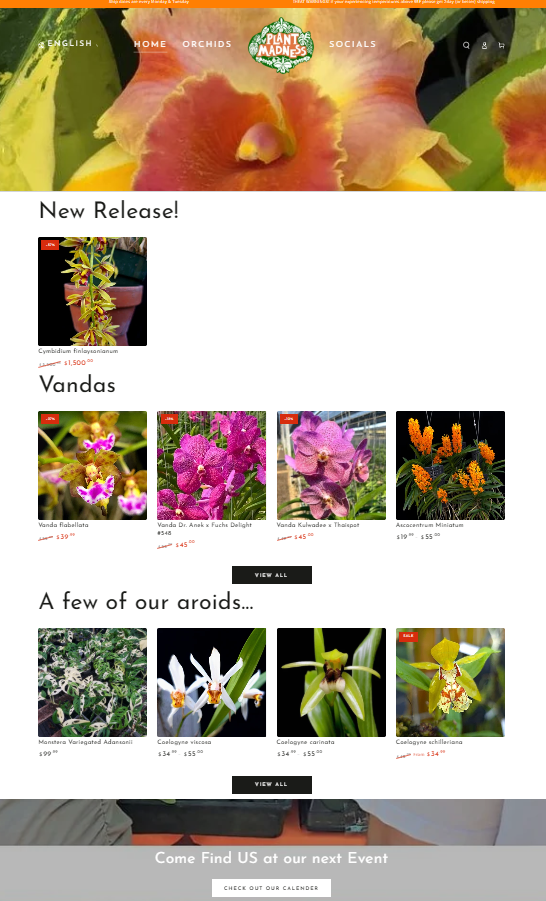
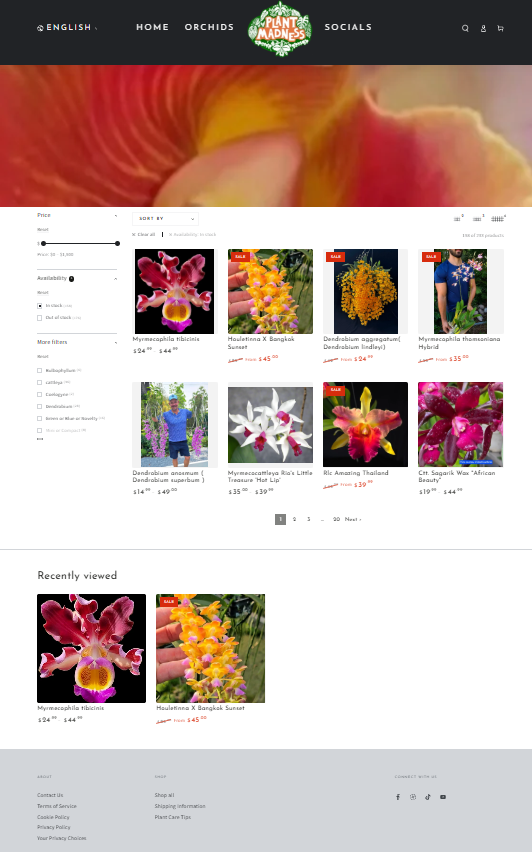
– Key Contributions –
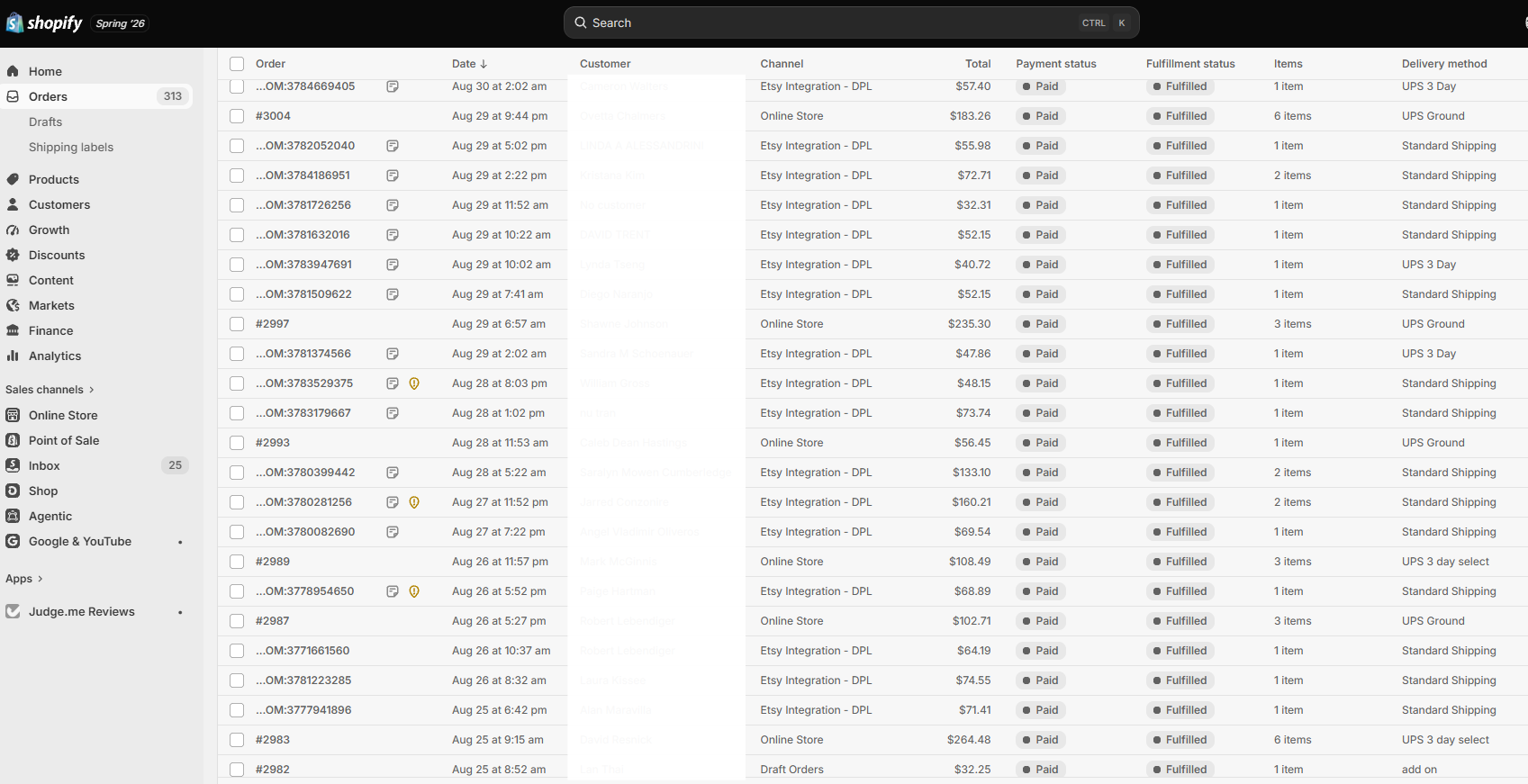
Building a Centralized Inventory System for Multiple Sales Channels (Read more…)
I noticed the company lacked a centralized system for tracking available inventory, incoming inventory, and product margins. Days would be spent compiling all the necessary information, along with frequent order fulfillment issues.
My first task was to develop a system that could solve this inventory issue.
Step 1: Discovery
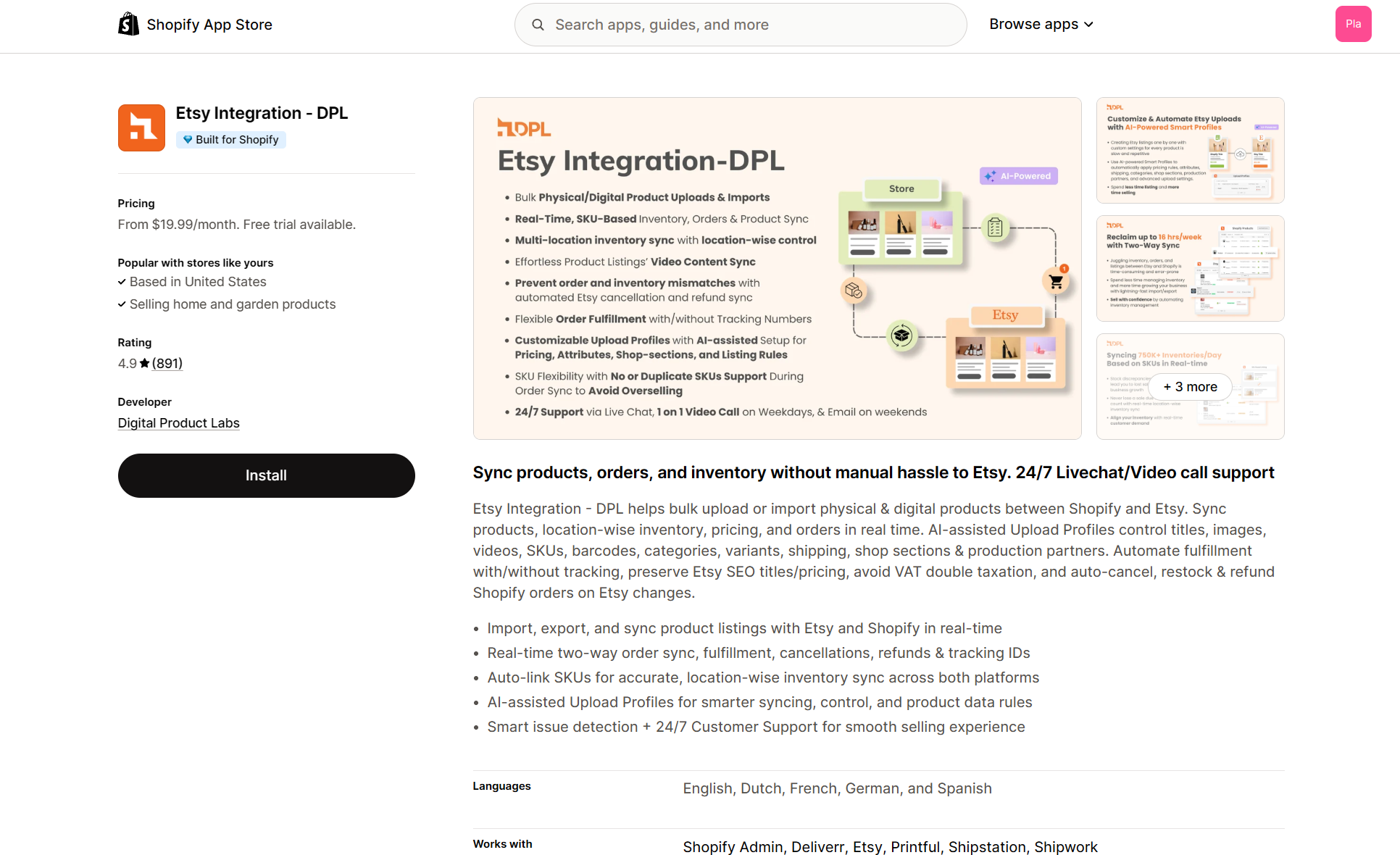
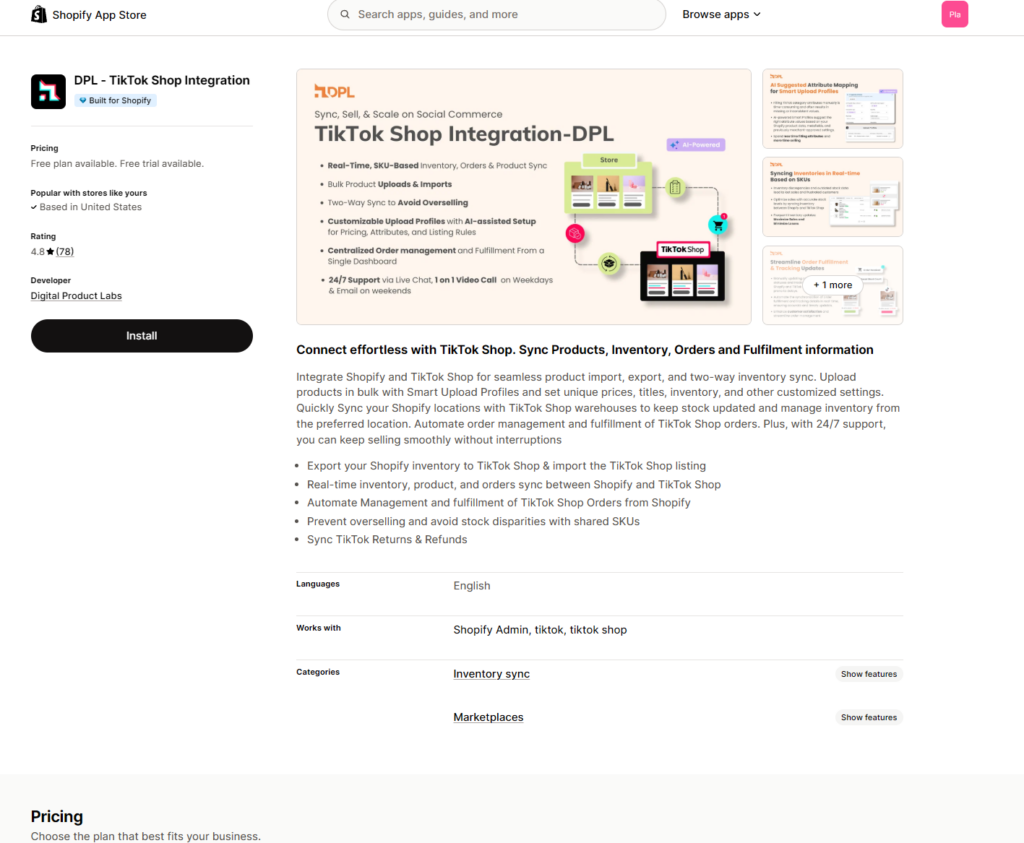
Shopify supports numerous apps that can help simplify cross-platform synchronization at a small fee. Using Google Sheets, I could maintain a record of inventory across each online platform, associated platform fees, and incoming inventory produced in-house.
Tools used: Google Sheets, DPL apps
Step 2: Develop the Master Inventory Log
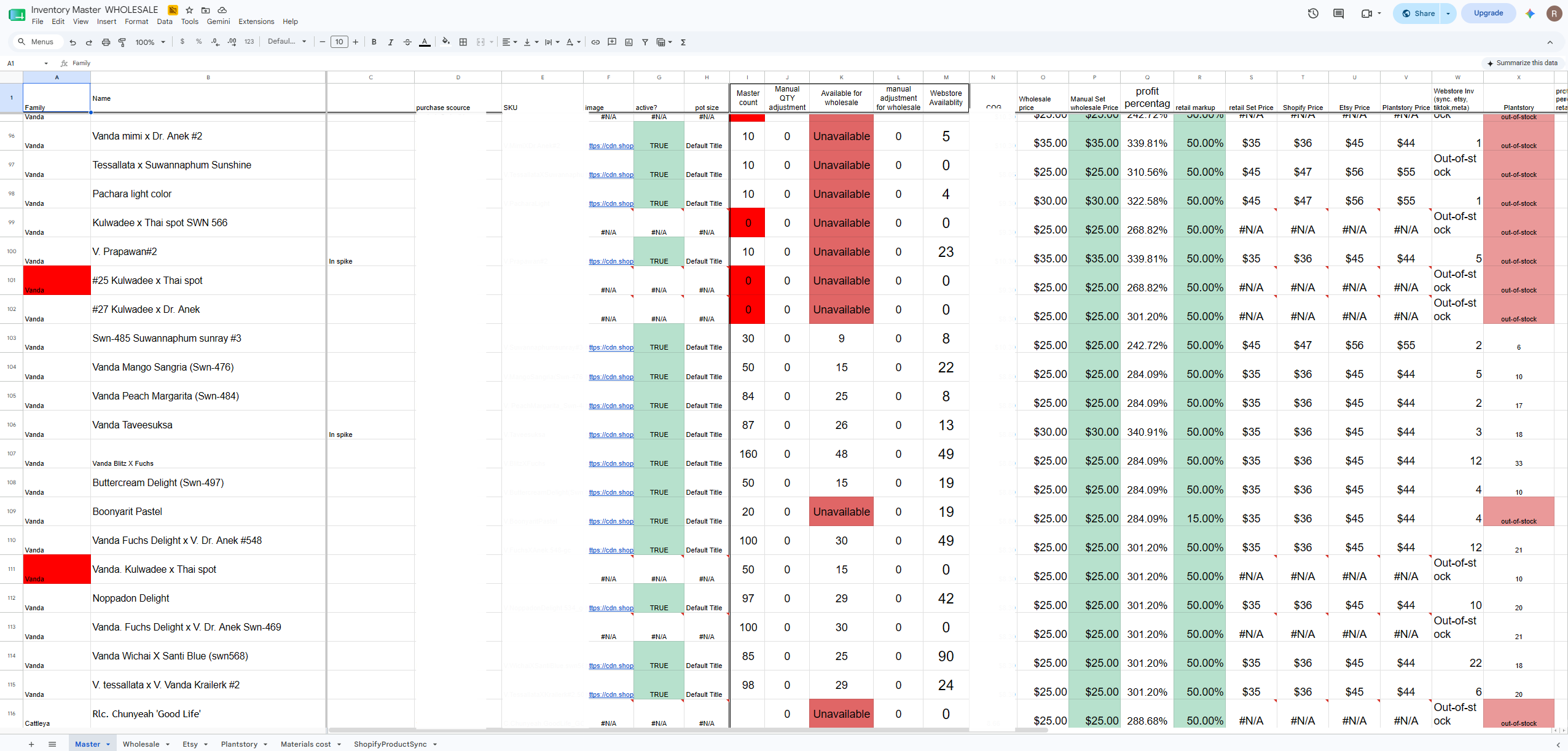
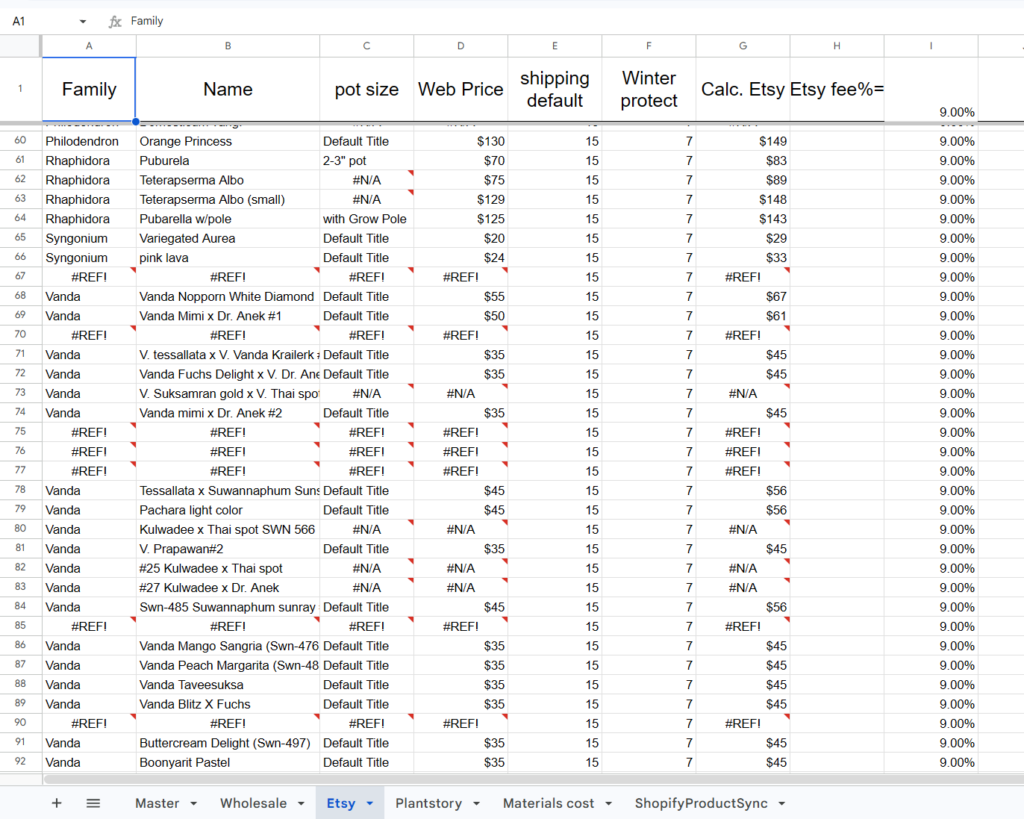
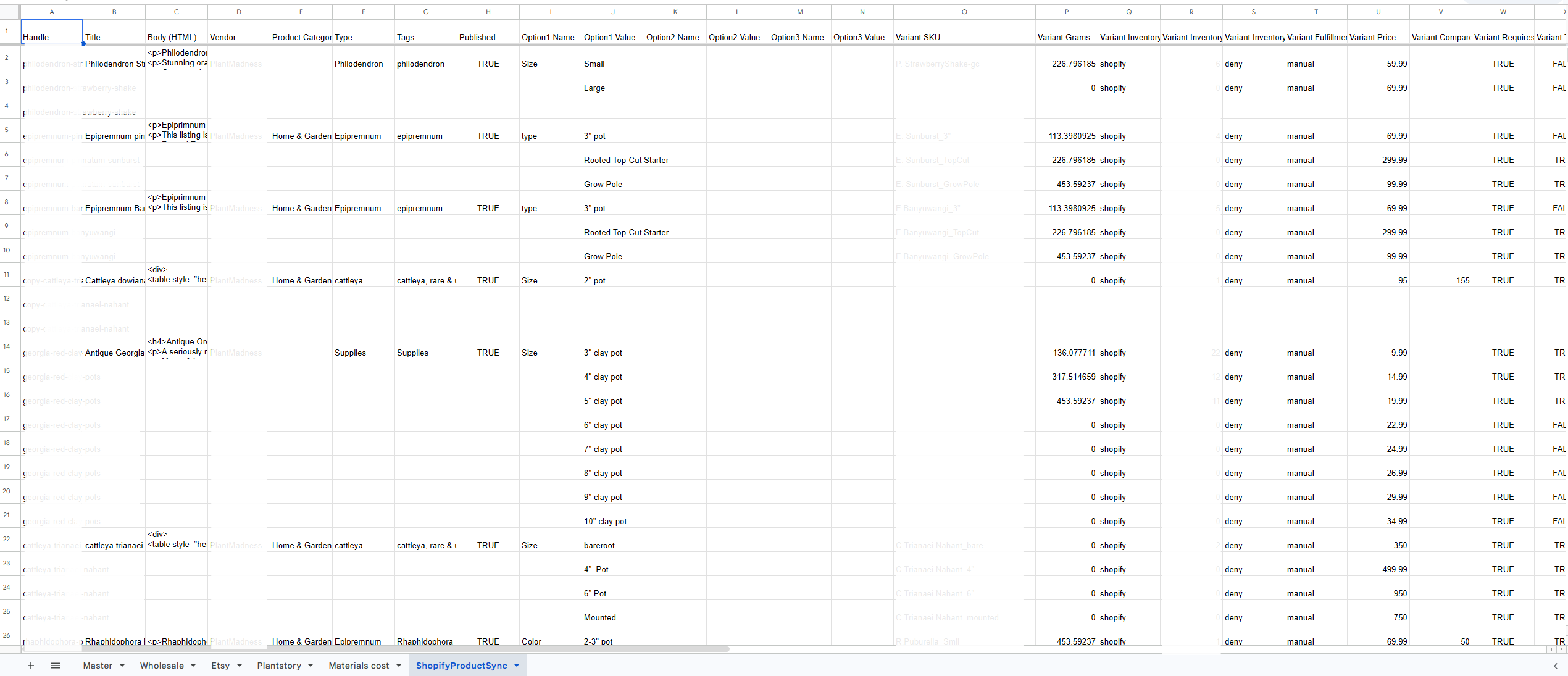
“Based on the company’s size and SKU count, I developed a master inventory spreadsheet in Google Sheets. The workbook included tabs for a master inventory overview, raw Shopify CSV imports for streamlined updates, and fee breakdowns for platform subscriptions, employee processing, and other costs.
This system provided several operational advantages:
- See what products are actually available, their costs, and their platform allotment
- Sync with a preformatted Shopify tab, for quick drag and drop catalog updates
- Consolidated analysis of platform fees for better profit transparency.
Tools used: Google Sheets, DPL apps
Step 3: Further application
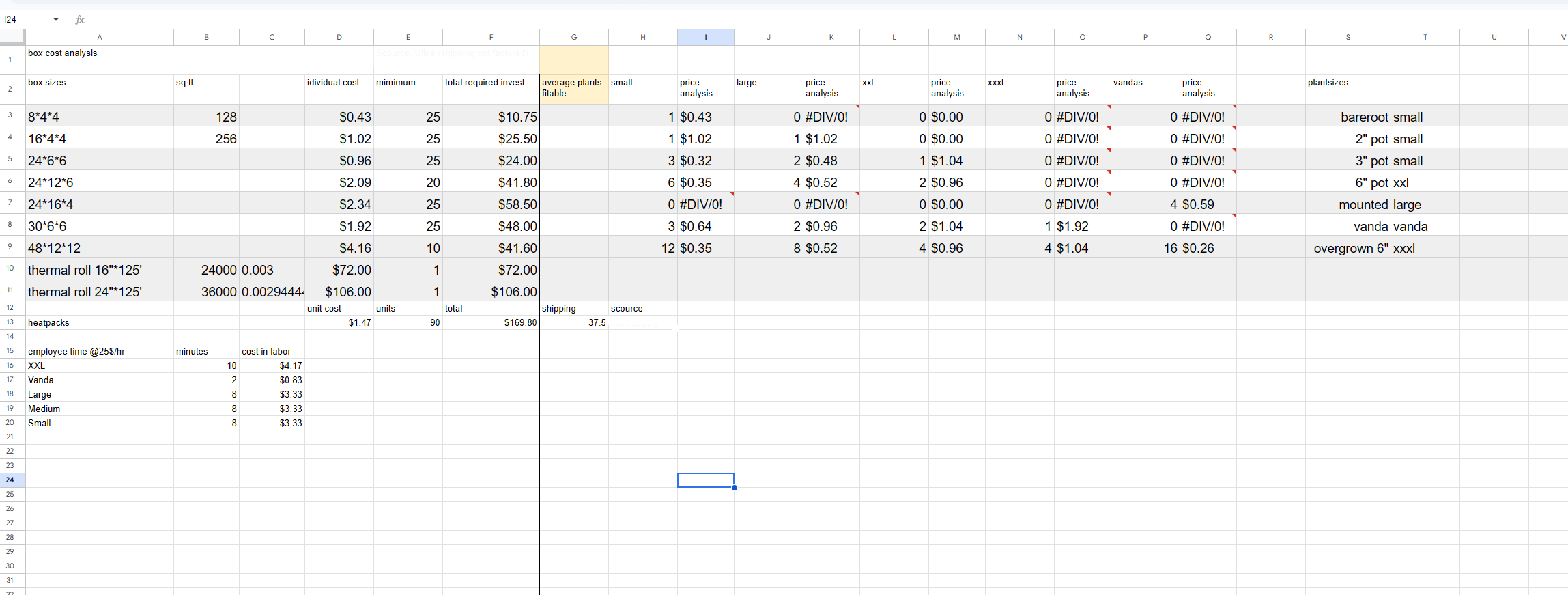
Once the base functionality was working, I identified another opportunity to improve the system by incorporating fulfillment data. Two missing elements in the calculations were employee time and shipping supplies. Adding this information provided a more accurate view of fulfillment costs and helped the company:
- be able to better manage shipping supply restock
- reduce waste, by consolidating orders into few box sizes
- estimate packing speeds and gauge employee costs
Step 4: Conclusion
What began as a goal to expand onto additional sales platforms resulted in the development of a centralized inventory system. The company could more easily see available inventory across platforms, update Shopify inventory in bulk using formatted CSV files, and better understand the margins associated with each sale.
This helped Plant Madness operate more cost-effectively and remain more competitive across its online listings.

Facilitate the flow of Weekly Orders (Read more…)
Customer satisfaction was important to the company’s growth, making careful and consistent order fulfillment a priority.
My goal was to develop an in-depth understanding of the workflow, identify problem areas, and implement appropriate solutions.
Key Problems tackled:
- Order review
- Shipping efficiency
Some key programs used:
- Shopify Admin
- ShipStation
- Google Sheets
Step 1: Order review
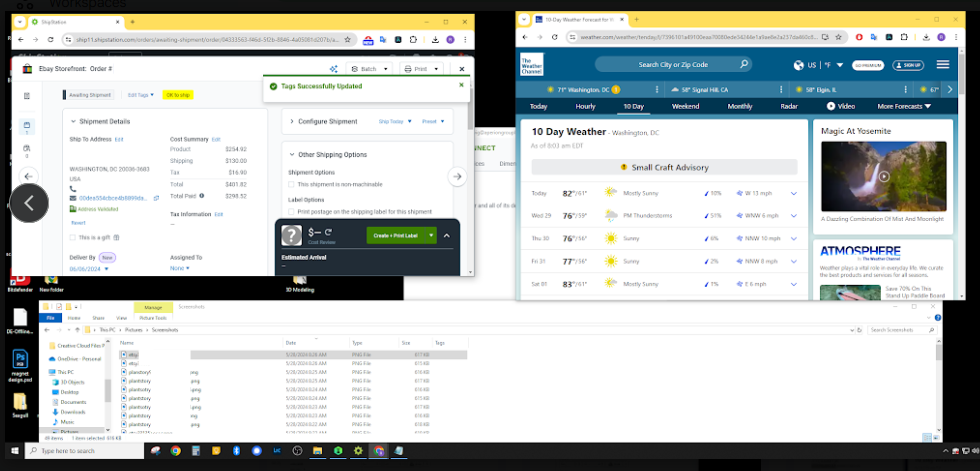
I reviewed every order that comes in for: address validity, order quantity count, and transit risk.
- Invalid address can lead to delays and plant damage
- Temperature extremes can damage plant tissue, leading to a poor delivery
- Item count – larger or more complex orders are routed to experienced team members
Destination weather review during order fulfillment
Step 2: improve efficiency
To maintain item quality all orders must be sent out on specific days of the week, creating high-volume ship days. This makes mistakes harder to catch during the rush.
I updated the ShipStation HTML for the packing slip to include a scannable barcode. This eventually led me to redesign the slip entirely. The changes included:
- Changing from paper slips to thermal-label printouts
- simplifies packing inventory, a copy is applied on the outside for quick review
- Enlarged the “Qty” column to protect against miscount errors
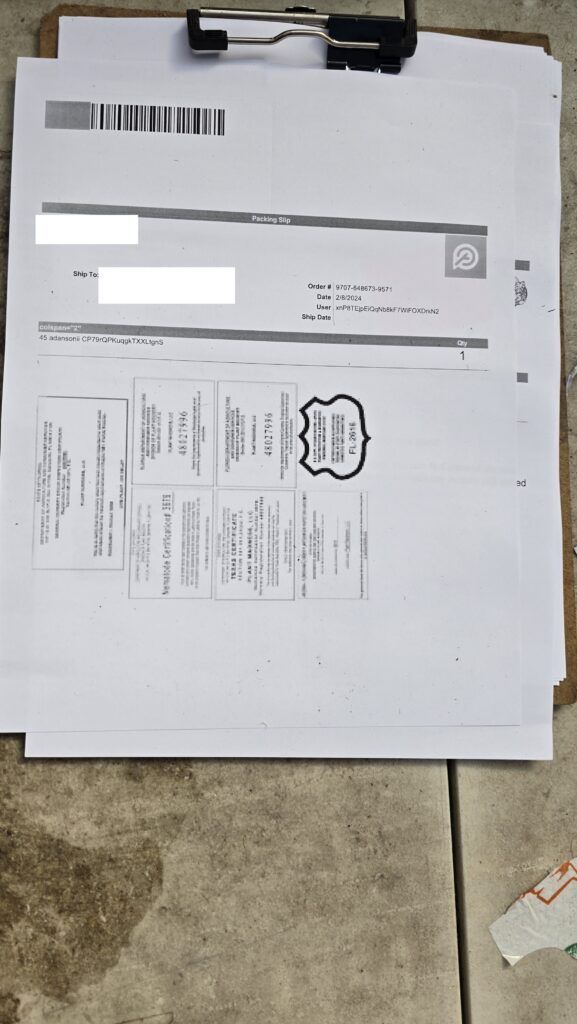
before

after
End Result
Due to the exclusivity and fragility of these plants, the company depends on the satisfaction of their customer base to continue offering these one-of-a-kind premium plants.
Customer satisfaction was reflected in the company’s repeat business, with a significant portion of sales coming from returning customers. As the fulfillment process became an ongoing operational priority, my role expanded from solving individual workflow problems to overseeing and continually improving the process.
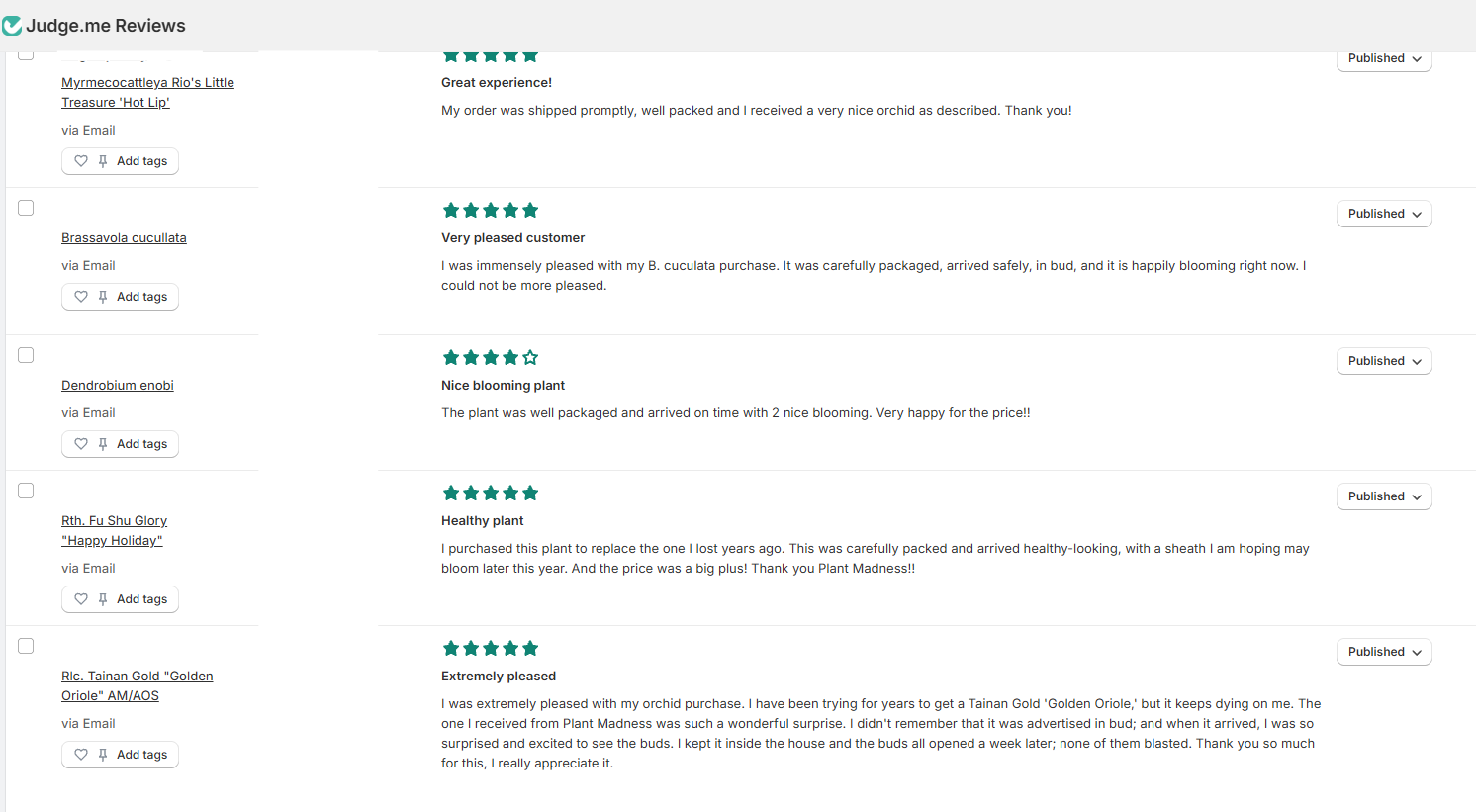
Consistent praise for plant quality and experience
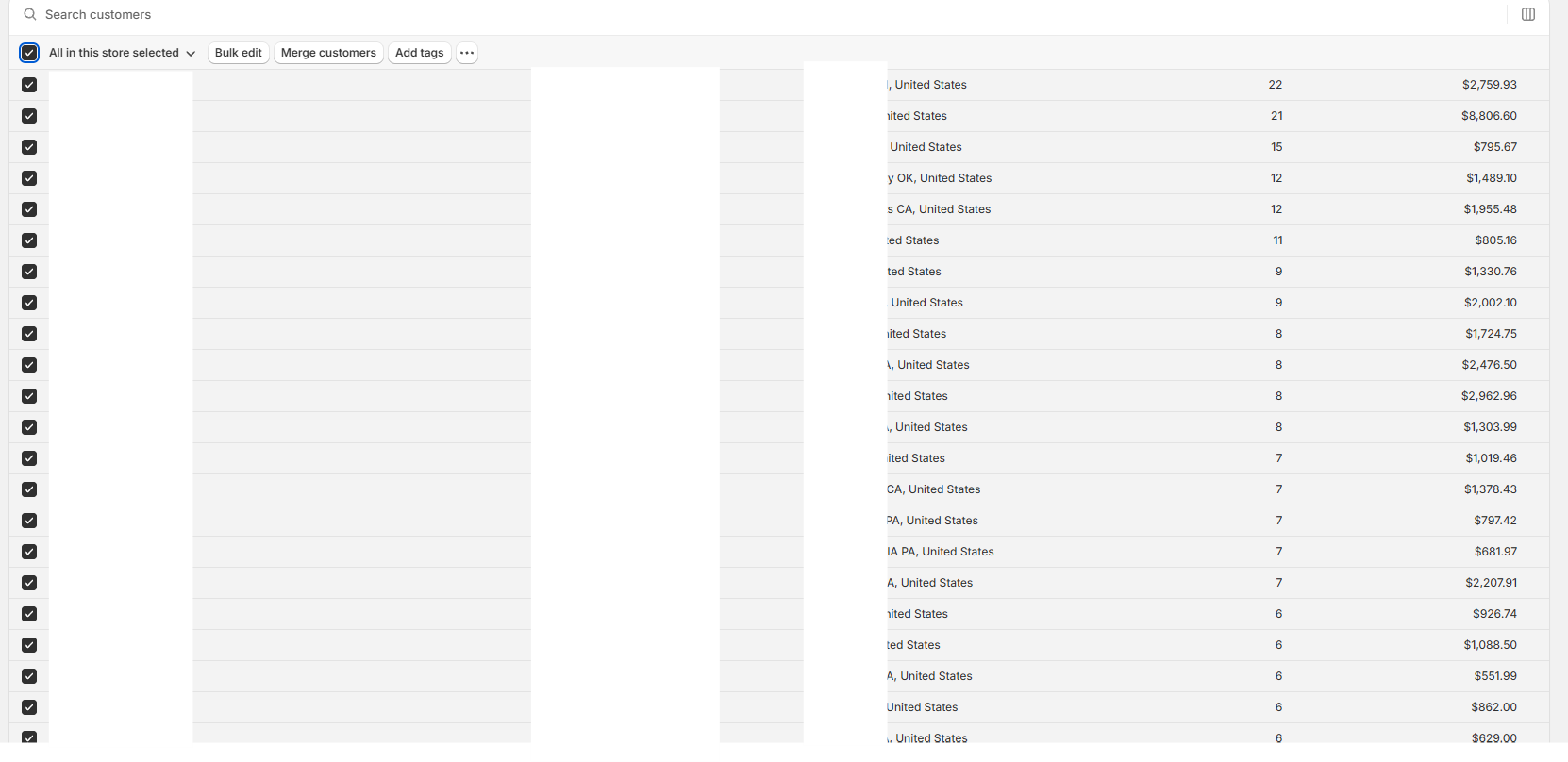
Customers returning for multiple purchases